 Add Row
  Add
Add 

Did you know? A single missed patch of storm damage could quietly erase half the expected lifespan of your roof—yet most St. Louis homeowners never notice it until leaks, interior stains, or a denied insurance claim forces action. If you’re juggling home repairs, insurance calls, and storm worries, there’s a clear path forward that puts you back in control—without hidden fees, pressure, or guesswork.
Roof Replacement Realities: A Surprising Fact Every St. Louis Homeowner Should Know
"A roof can lose up to 50% of its lifespan from missed storm damage — most homeowners never spot it until it’s too late."
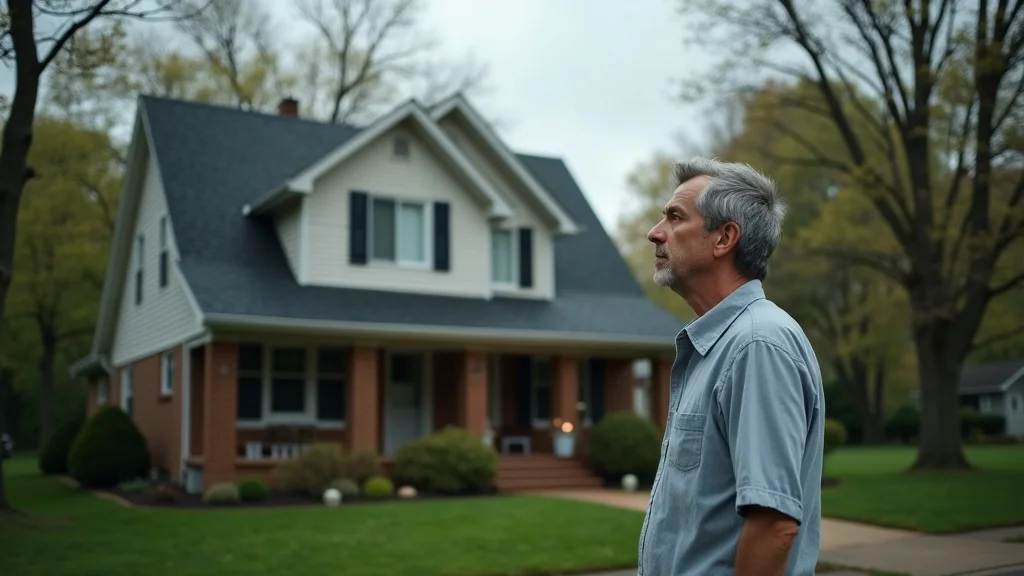
Why Timely Roof Replacement Matters: Protecting Your Home and Investment
Timely roof replacement isn’t just a matter of curb appeal—it’s about defending the heart of your investment: your home. In Greater St. Louis, unpredictable weather brings storms that can bruise, crack, or strip away layers of your shingle roof. Miss the small stuff, and you risk water intrusion, mold growth, and costly repairs that surface when you least expect.
Unlike a car, where a dashboard light signals trouble, your roof’s aging or storm-battered shingles often hide damage in plain sight. As asphalt shingles lose their protective granules (that gritty top layer), they become sponges for water and vulnerable to wind. Granular details matter—roofs weakened by unaddressed storm scars may appear “fine” but are living on borrowed time, putting your entire roof at risk long before the average homeowner, or even a quick claim inspector, notices. The pro tip for St. Louis homeowners: don't wait for a leak. A free, photo-documented inspection means you see exactly what’s brewing overhead—before damage spirals or insurance windows close.
As you consider the timing and scope of your roof replacement, it's also worth exploring how you can benefit from sharing your positive experience with others. National Roofing offers a referral rewards program that allows satisfied homeowners to earn rewards by recommending their trusted roofing contractor to friends and neighbors, making your investment even more valuable.
What You’ll Learn About Roof Replacement (And Why It Matters in Greater St. Louis)
How to assess whether you need a roof replacement or a repair
The step-by-step roof replacement process, with photo documentation
Common pitfalls for St. Louis roofs: storm damage, aging, algae and moss
What makes an inspection ‘no-obligation’ and photo-documented
How contingency pricing and financing work for total replacement
Owner-led accountability: why the company owners walk every roof
When Is Roof Replacement Needed? 5 Signs Your Roof Is Nearing the End
Not sure if it’s time to replace your roof or just patch a spot? Start with these classic warning signs every St. Louis homeowner should check after a storm or with an aging asphalt shingle roof. If you notice dark streaks, shingle color loss, or loose ridge caps, take them seriously—these can signal deeper trouble. Algae and moss growth, curling shingles, or pieces of shingle granules in your gutters all mean your roof is doing extra work just to keep water out. Sometimes, even a small leak is a red flag: the visible damage is only part of the problem. If you suspect you can’t afford a total replacement, remember that piecemeal repairs will only last if the root cause is minor. For roofs near or beyond 15-20 years—or after a severe hailstorm—it’s wise to get a free inspection, complete with photo proof and honest recommendations. This owner-led approach brings clarity, so you can protect your roof and avoid a costly emergency down the line.
Aging, brutalized by St. Louis weather, or just showing its age? These five signs are your prompt: stains on ceilings, cracked or missing shingles, visible moss growth, stained drywall, and unusually high utility bills. If these symptoms sound familiar, don’t wait—sometimes, an “afford a total replacement” calculation tips in your favor when you consider avoided repairs, rising insurance premiums, and the added market value of a refreshed roof.
Spotting Storm Damage: Hail, Wind, and Tornado Effects on Roofs

A St. Louis shingle roof takes a pounding all year: sudden hailstorms, howling tornado-driven winds, and heavy rains. But storm damage isn’t always obvious from the ground. Look for signs like bruises (dark spots where granules are knocked loose), torn or missing shingles, and “zippers” (lines where several shingles lift at once). Pro tip from the field: Hail often bruises the asphalt core beneath the granules, so an inspection with hands-on review—and detailed photos—can reveal the true extent. Even newer roofs can lose years of life after one hard storm. Unseen damage can let water in, triggering hidden mold growth or rotting your roof deck. A full replacement is often the most value-driven fix when at least 30% of the roof shows damage or if insurance confirms a total loss. Remember, your roof’s future after a St. Louis storm often comes down to what professional eyes—and a camera lens—can prove.
If you’re still unsure, request a free, no-obligation roof inspection. Owners or their trained crews know exactly what storm damage means for your warranty and resale value—while photo documentation gives you peace of mind (or proof for your insurance expert). Miss this step, and you may be footing the bill for the entire roof on your own.
Algae and Moss: Why They Threaten Your Shingle Integrity
Green streaks and fuzzy “pillow top” patches on your shingles are more than a cosmetic nuisance. Algae and moss are relentless enemies of the asphalt shingle roof, especially in the humid St. Louis climate. Moss retains moisture, softening shingle edges and lifting them just enough for wind-driven rain to sneak underneath—shortening the life of your roof considerably. Algae makes surfaces slippery, promoting granule loss and inviting premature dark stains that eat away at curb appeal and resale confidence. Left unchecked, moss growth accelerates the breakdown of the asphalt core and attacks the integrity of every part of the roof.
While some homeowners try to extend the life of their roof with cleaning sprays, harsh chemicals can void manufacturer warranties and stain your shingle color. Persistent moss growth is often the sign of aged or poorly ventilated roofs in the St. Louis area—if you’re seeing these issues, it may be time to replace the roof, not just wipe it down. Honest, owner-led inspections reveal the difference between a patch job and the need for a full replacement.
Color Fading and Shingle Color Loss: Cosmetic vs. Structural Red Flags
Think fading roof color is just about looks? Not always. Loss of shingle color often signals granule loss—those gritty particles that shield your asphalt shingle roof against UV and rain. As the colored surface wears away, underlying asphalt becomes brittle and prone to cracking. The St. Louis sun, mixed with streaking from algae, speeds up fading, especially on older or lower-grade shingles.
A slight color change is expected over years, but broad, uneven fading with thin, shiny patches points to serious wear. If you notice faded shingles alongside curling edges or cracked surfaces, your roofing system may be coming to the end of its effective life. Cosmetic concerns can hide deeper issues, so get a professional opinion—preferably with side-by-side photo proof—before deciding whether a spot repair or total replacement will protect your home best.
Ridge Cap and Flashing Failures: What These Mean for Your Roof
Ridge caps (the shingles sealing the peak of your roof) and flashing (the metal trim around chimneys and roof valleys) do more than just finish the look—they protect the most vulnerable points from leaks. Cracked, missing, or poorly installed ridge caps can lead to wind-driven rain infiltration and signal that your roof’s last line of defense is failing. In St. Louis, seasonal temperature swings can cause flashing to expand, contract, and eventually separate from the roofing materials, letting water in where you least expect.
If water stains start near your ceiling’s peaks or you see rusted or warped flashing, it’s a red flag. A total replacement is often the wisest course when these critical areas show chronic problems or repairs have failed repeatedly. In cases where only part of the roof is affected, spot repairs may suffice—but ask for photo documentation to verify the full story. The right roofing contractor should always make the status—and the solution—fully visible to you.
When Repairs Won’t Cut It: Knowing If You Can Afford a Total Replacement
Wondering if you can afford a total replacement or should keep patching? Honest answer: Constant repairs rarely extend the life of your roof beyond a couple of years if the core problems are widespread—a scenario especially familiar to St. Louis homeowners with aging asphalt shingle roofs. Spot fixes can address small leaks or a damaged part of the roof, but if storm damage, aging asphalt, or moss growth are present over large sections, investing in a total replacement may ultimately cost less than serial repairs.
The key is transparency: Find a roofing contractor who provides a photo-documented inspection and breaks down contingency pricing (for damaged decking or hidden issues) before work begins. Financing options let you invest in lasting value without compromising your budget. The owners will walk you through every step, showing why a full roof replacement—while a bigger upfront commitment—protects your home, your warranty, and your investment for the long term.
The Roof Replacement Step-by-Step Process Explained
Free, no-obligation inspection: An owner or trained expert walks your roof, snapping detailed photos of every concern. They’ll explain findings in plain English—with every soft spot or storm scar visible from your phone or tablet.
Upfront, transparent quoting: Every cost, including contingency rates for damaged decking, is laid out so nothing’s hidden. You’ll know up front if a “repair” could turn into a full replacement, and what triggers each step.
Protecting your home: On install day, driveways are shielded, landscaping secured, and attic access managed with care. All precautions prioritize your home’s safety—and your peace of mind.
Removing old materials and debris: Crews strip away old shingles, underlayment, and flashing, sweeping the yard and gutters for stray nails and debris. A tidy jobsite is standard, not an optional upgrade.
Installing your new roof: Shingles, ridge caps, and weather barriers go down in careful layers for maximum durability. The quality of each step is captured in photos for your review before payment is due.
Meticulous final walkthrough: You’ll view before-and-after images, discuss warranty details, and inspect the site—confirming every promise, from curb appeal to the clean-up standard, is delivered.
"Seeing the process photographed and explained takes the worry out. They even showed me hail impact I missed from my own driveway." — Greater St. Louis Homeowner
Repair vs. Roof Replacement: Making the Right Decision for Your Home
Repair or replace? For St. Louis homeowners, this choice is about more than just cost. Spot repairs fix wind-lifted shingles, cracked ridge caps, or a leaky flashing—good for isolated issues. But recurring leaks, widespread shingle color loss, or extensive algae and moss often mean underlying damage is everywhere. Total replacement is recommended when repairs would cover more than 30% of a shingle roof, or if age, storm history, or multiple patch jobs have eroded your peace of mind.
Honest contractors show you before-and-after photos and explain which option best extends the life of your roof—not just what’s easiest for them. This approach puts you in charge, supporting lasting value over temporary fixes.
Total Replacement vs. Patch Jobs: What’s Right for Lasting Value?
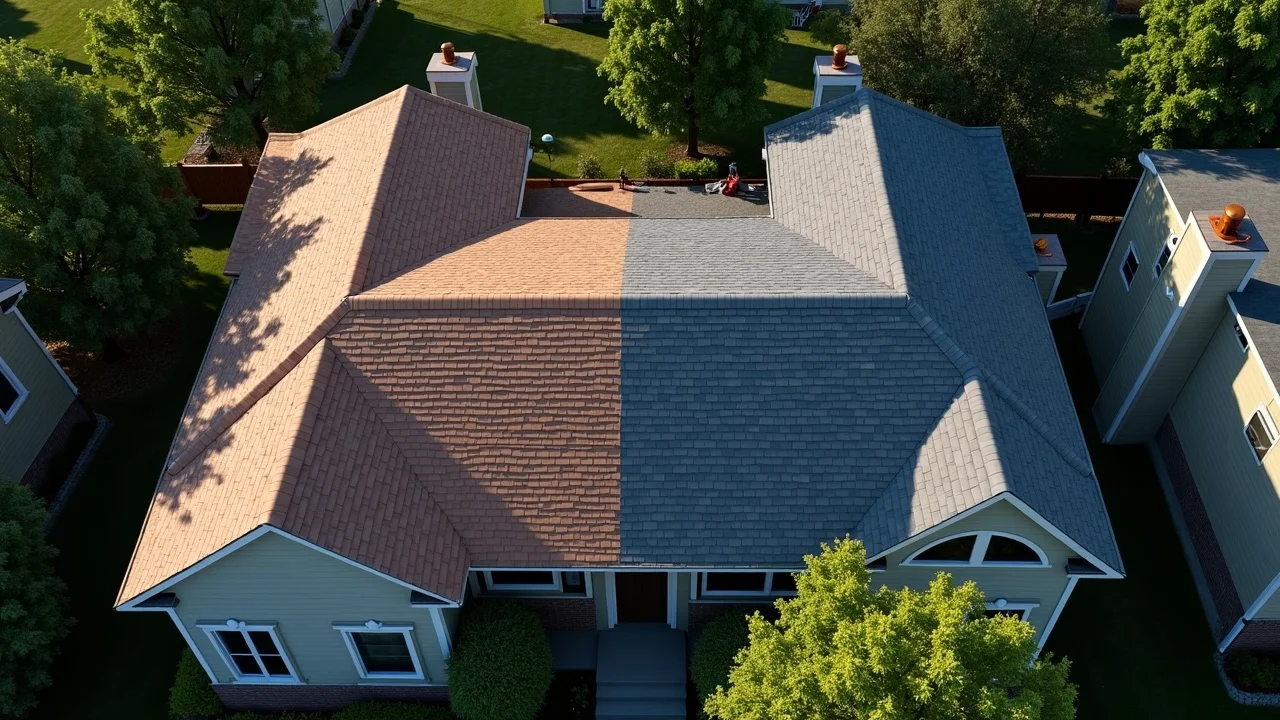
Think of your roof as a shield—would you rather armor the weak spots or reinforce the entire roof to withstand the next storm? Patch jobs address visible issues, but often miss subtle aging asphalt or granule loss that weakens the roof’s underlying strength. Spot repairs are a worthy choice when less than a quarter of the roof is affected, but if your inspection photos show a pattern—widespread cracked shingles, moss growth along eaves, or thin ridge cap protection—total replacement becomes the pro tip for long-term savings.
Choosing between a full replacement and piecemeal repairs starts with seeing, side by side, what’s at stake. A total replacement may be more affordable in the long run and come with robust warranties (covering labor, materials, and often algae resistance), while patch jobs typically carry shorter guarantees and risk repeat costs when the next storm hits. If you can’t afford a total replacement all at once, honest financing options and staged work can help you protect your investment without sacrificing quality or curb appeal.
Insurance Claims: How the Roof Replacement Process Works in St. Louis
Navigating insurance for roof replacement in Greater St. Louis means evidence is everything. After storms, schedule a free, photo-documented inspection. The owner or estimator meets your adjuster, shares high-resolution images of every hail dent, lifted shingle, or ridge cap failure, and answers questions like a neighbor, not a salesman. This transparency streamlines claims, ensures accurate payouts, and can tip the scale toward a full replacement when warranted.
Your insurance expert may push for partial repairs, but photo proof makes your case for a total replacement clear and irrefutable. Coordinated, owner-led involvement saves you the headache of repeat visits, appeals, and missed damage. With photo documentation, you’ll know if your claim covers the entire roof—and you’ll never be left guessing what the insurance settlement actually repairs.
Navigating Financing and Discounts on Full Replacements
Worried about affording a total replacement? That’s normal—but it shouldn’t leave you with a patchwork roof. St. Louis homeowners can access honest, transparent financing designed for full roof replacements. Payments are mapped out clearly; you’ll know what’s owed, when, and for how long. For those who serve or have served, meaningful 5–10% discounts are available—for veterans, first responders, and their families—creating a more affordable path to a new roof without sacrificing durability or warranty peace of mind.
If you’re not sure a lump-sum payment is possible, ask about staged work or approved payment plans. Honest contractors will break down all contingency pricing for damaged decking and never “surprise” you at the end. Durable, photo-documented roof work shouldn’t be out of reach because of price.
Your Warranty, Durability, and Peace of Mind
A properly managed roof replacement isn’t just a transaction—it's a long-term promise. You deserve a warranty that covers materials, labor, and even algae resistance for years to come (be sure to ask how the warranty applies if you see frequent moss growth). Modern ridge cap technology, robust underlayments, and quality shingle options all mean you can extend the life of your roof far past the industry minimums.
Your peace of mind rests on knowing what’s covered, when, and how to claim it. A reputable owner-led company spells out the terms in simple, plain English, so you’re never left guessing—giving you clarity, confidence, and comfort starting from your first phone call to the final walkthrough.
Roof Replacement in Action: What Photo Documentation Will Show
Before-and-after images of storm or age damage
Stepwise documentation of damaged decking and repairs
Final outcome: new roof, clean site, protected gutters
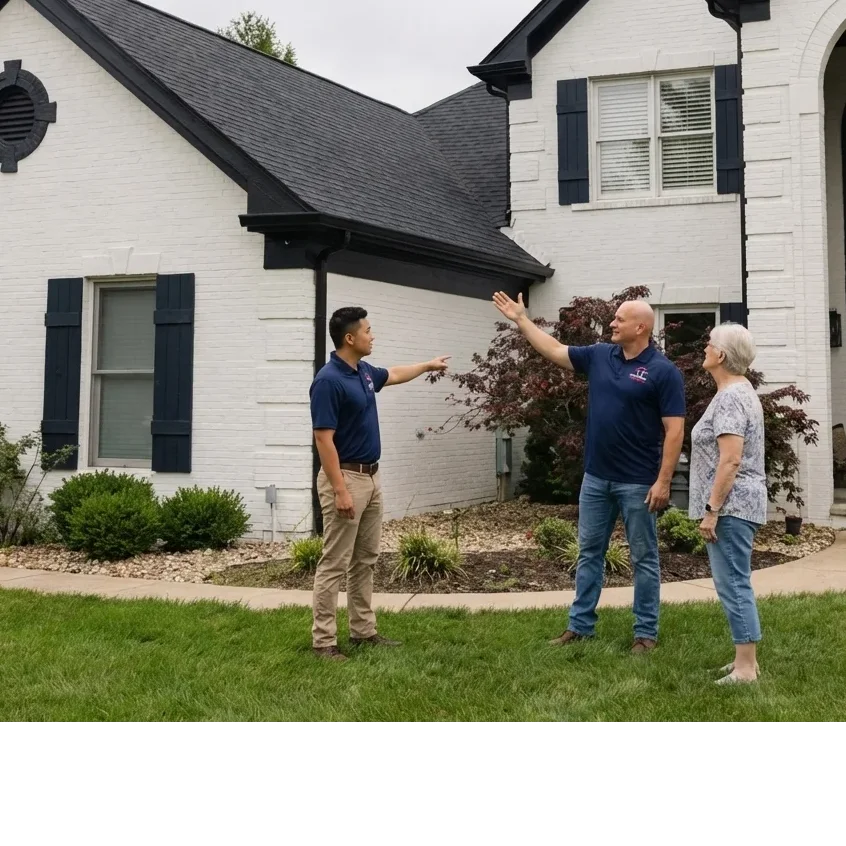
Clarity means proof—every step of your roof replacement is backed by high-resolution photos you can review alongside the owners. Before-and-after documentation lets you see what storm damage did, where repairs were made, and the final effect on your home. Photo documentation isn’t just a point of pride—it's your reassurance that promises were kept. It builds trust, simplifies insurance claims, and answers every “what did they fix?” question before you sign off on the job.
Meet the Owners: How Chris and Nicole Ensure Owner-Led Accountability
What sets this St. Louis roofing experience apart? Owner-led accountability at every turn. Chris or Nicole—owners of National Roofing—don’t just put their names on the contract. One is onsite during inspection and project management; the other answers your late-night calls. Every question, concern, or emergency gets a human response and a clear, photo-documented answer. You’ll never get a “we’ll get back to you Monday” voicemail runaround. Instead, it’s accountability with a neighborly touch—and a veteran-level promise that the job will be done right, the first time.
From the first handshake to the final walkthrough, you see the faces responsible for your roof. That’s the greatest warranty of all.
Roofing Materials, Shingle Color, and Curb Appeal: Your Roof Replacement Options
A great roof replacement should upgrade your home’s curb appeal and stand up to the next big St. Louis storm. Your choice of roofing materials (from asphalt shingles to impact-rated designer options) directly affects value, durability, and even resale value. Color and style trends are evolving—today’s top picks balance practical protection with standout beauty that makes your home pop in any season.
Choosing Materials: Durability vs. Curb Appeal in the St. Louis Climate
Not all roofing materials are created equal. St. Louis weather demands strong yet flexible protection—top-grade asphalt shingles (with reinforced asphalt core and algae resistance) provide both. For maximum longevity, pro tip: choose materials that come with a proven track record of standing up to wind, hail, and temperature swings. Some premium products add extra layers or modern synthetic ridge caps for added durability.
Don’t forget maintenance and recycling—modern products may incorporate shingle recycling programs and longer-lasting ridge caps to help you extend the life of your roof while protecting the environment. Finally, never let curb appeal mean sacrificing strength—photo samples and side-by-side material comparisons help you see, feel, and choose what suits your home best.
Shingle Color and Style: What’s Trending for St. Louis Homes
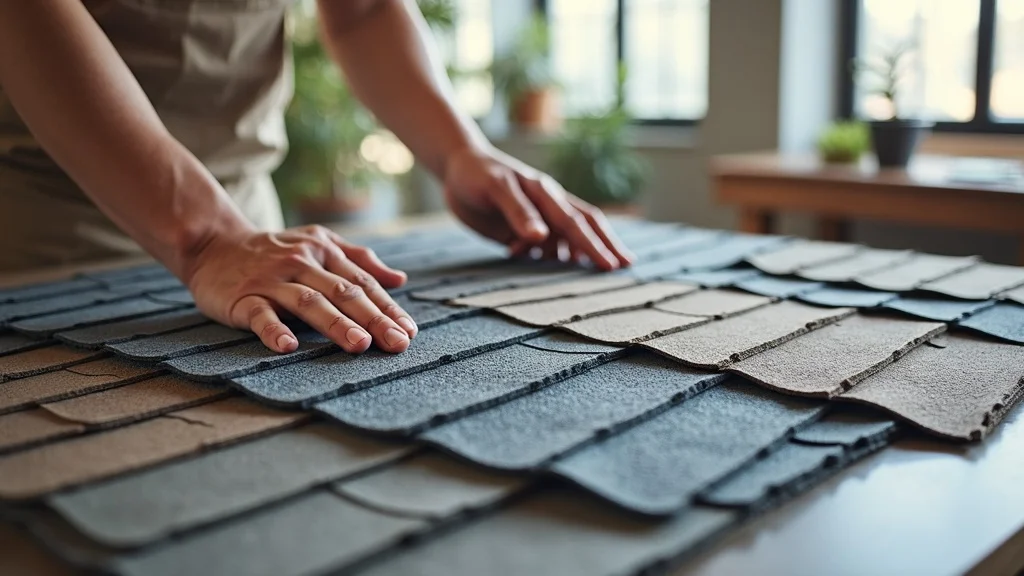
Curb appeal starts at the top, and in St. Louis, the trend is toward bold, contrasting shingle color choices—cool grays, deep charcoals, and weathered wood-toned asphalt shingles catch the eye and stand up to sunlight without rapid fading. Mixing textures and incorporating architectural-style ridge caps (slightly raised, multi-layered elements that help the roof look and perform better) instantly modernizes your home.
When selecting your new roof, ask to see large shingle samples outside, against your siding and brick, under real sunlight. This is your chance to marry performance and style in a way that benefits curb appeal for years to come—without worrying about rapid aging or mismatched hues after the first big storm.
Understanding Ridge Cap Technology and Long-Term Performance
Modern ridge cap technology is the unsung hero of lasting roof performance. Unlike older single-cut styles, new multi-layer ridge caps offer double protection at your roof’s most exposed points. They enhance wind resistance, block algae seepage, and extend the life of your roof by deflecting water and debris efficiently. On asphalt shingle roofs, choosing advanced ridge caps means fewer repairs over time and peace of mind for St. Louis homeowners living through wild weather swings and the occasional tornado scare.
If your photo-documented inspection reveals cracked or missing ridge caps—or if the only fix suggested is a “quick patch”—consider this a prompt to discuss real, proven upgrades as part of your full roof replacement plan. This is another reason why working with owners on site is key: you get honest guidance, not just a quick fix.
Tables: Features, Benefits, and Warranty Terms with Your Roof Replacement
Feature |
Benefit |
What to Expect |
|---|---|---|
Photo-documented inspection |
No surprises; see what we see |
Photos sent directly to you |
Contingency pricing |
Honest, upfront rates for damaged decking |
Costs explained in advance |
Owner-involved process |
Accountability at every step |
Questions answered by Chris or Nicole |
Emergency tarping & board-up |
Immediate protection, any hour |
24/7 phone answered by an owner |
Veteran/First Responder Discount |
Meaningful savings on total replacement |
5–10% off full jobs (ID required) |
People Also Ask: Answers to Common Roof Replacement Questions
How much does it cost to replace a roof in PA?
Answer
Roof replacement costs can vary widely by materials, home size, and location. While pricing in Pennsylvania differs from Greater St. Louis, the key is getting a transparent, photo-documented quote so you know exactly what you're paying for—without surprises or hidden fees.
How cold is too cold to put on shingles?
Answer
Most manufacturers recommend installing shingles above 40°F (4°C) for proper sealing. In the St. Louis area, we monitor weather closely and may recommend tarping or rescheduling in peak winter to ensure your roof replacement is durable and worry-free.
Is $30,000 too much for a roof?
Answer
A $30,000 roof replacement is at the high end, typically involving large or complex homes or specialized materials. What matters is proof-driven quoting: see line-item prices, contingency costs for any damaged decking, and before/after photos included.
What is the cheapest way to replace a roof?
Answer
Cutting corners can be costly in the long run. The most value-driven roof replacement uses proven materials, expert installation, and photo documentation to ensure durability. Financing can make full replacement more manageable without sacrificing quality.
Roof Replacement FAQs: Your Top Questions, Answered Clearly
How do I know if I need a roof replacement or just a repair?
A professional, owner-led inspection—with clear photo documentation—shows whether your roof’s issues are isolated or widespread. For small leaks or missing shingles, repairs may be sufficient, but storm damage or aging across the entire roof points to a total replacement. Honest contractors will always tell you when a full replacement isn’t necessary.What does photo documentation include during the process?
You receive images of storm damage, close-ups of granule loss, shots of damaged decking, and full before-and-after comparisons so you see and understand every issue and fix.Do you coordinate with insurance for storm damage claims?
Yes. The owners handle all insurance coordination and meet with your adjuster, making sure nothing is overlooked and each needed repair is documented and justified.Are veterans and first responders eligible for discounts?
Absolutely. A 5–10% discount is available on full replacements for veteran and first responder families—just show a valid ID with your project agreement.What makes your clean-up standards different?
Every job includes thorough roofing site cleanup (nails, debris, old materials) checked by the owners at project’s end. Photo proof ensures you get what you paid for—and a yard safe enough for pets and kids the day we finish.
Key Takeaways for St. Louis Homeowners Facing Roof Replacement
Start with a free, no-obligation, owner-led inspection (with photo proof)
Get all contingency pricing and options upfront; no pressure or hidden fees
Veteran, woman-owned: the owners answer the phone and walk the job
Financing and veteran discounts available for full replacements
Emergency board-up and tarping are available 24/7
Ready for Clarity? Schedule Your Free, No-Obligation Roof Replacement Inspection Today
"From the first phone call to the walk-through, you’ll talk to an owner. Chris and Nicole make sure you see every detail in photos—and stand behind every shingle."
Schedule your free roofing inspection: 314-808-4270
If you're uncertain about the state of your roof—even after a recent storm—schedule your free, no-obligation, owner-led inspection today and see photo proof of every recommendation. At National Roofing, we treat your home like our own and stand behind every shingle.
Roof replacement is a significant step toward protecting your home and investment, but it’s also an opportunity to build lasting relationships within your community. By sharing your experience and referring friends or neighbors to a trusted, owner-led roofing contractor, you not only help others make informed decisions but can also benefit from valuable rewards. To discover how you can turn your positive roofing journey into ongoing advantages, explore the details of National Roofing’s referral rewards program. It’s a simple way to extend the value of your new roof while supporting quality craftsmanship and neighborly service across St. Louis.

Write A Comment